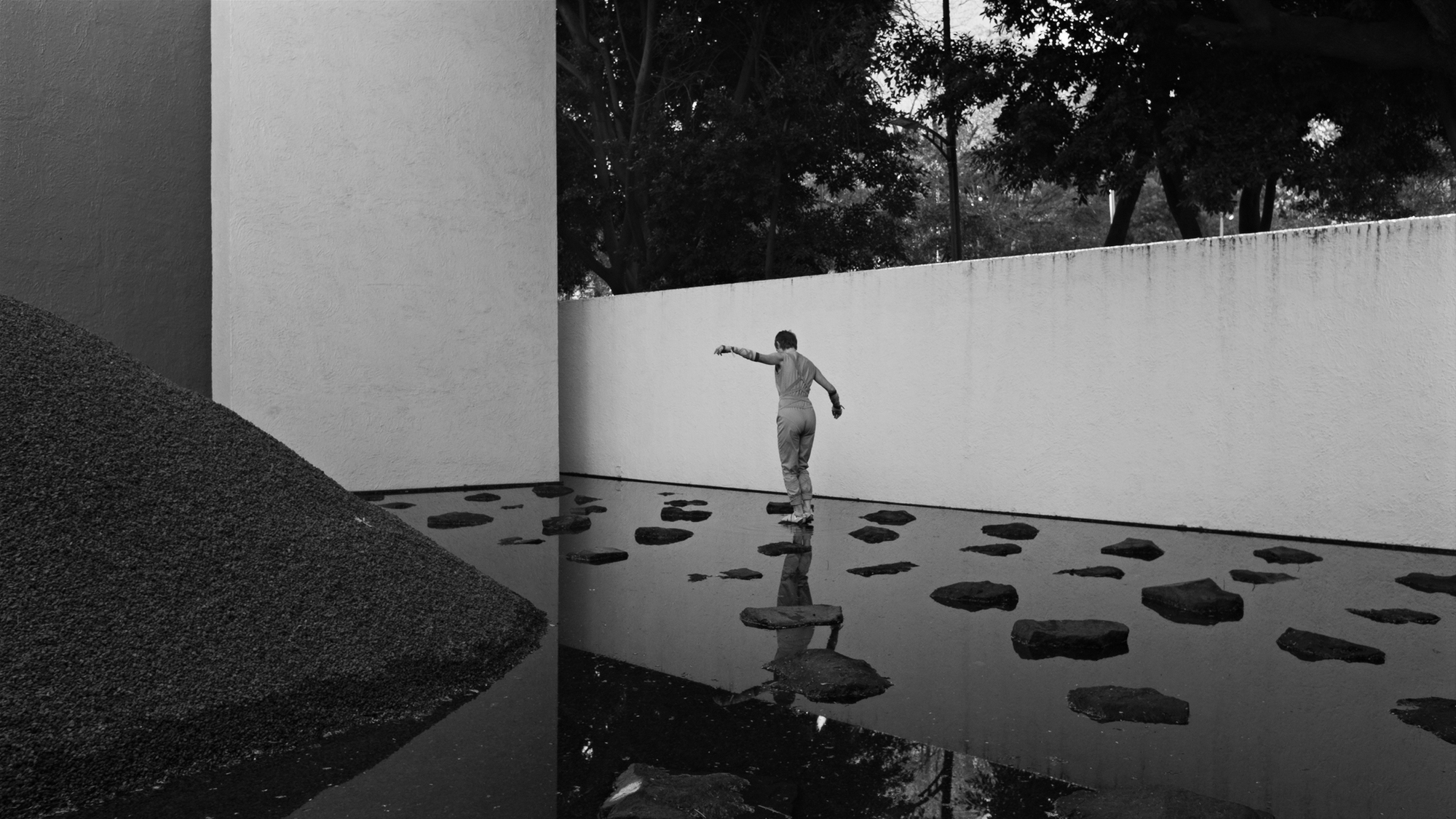
Pabellón El Eco 2020: An Emotional Architecture Experiment
Designed by Cronoboros / TANAT, Pabellón El Eco exemplifies emotional architecture, breaking traditional rules of symmetry, structural coherence, and dedicated functions for each space.
The Manifesto of Emotional Architecture, published in 1953 by Mathias Goeritz, argues that architecture can transcend logical and rational spatial understanding to evoke deep sensations. El Eco is conceived as a design experiment that frees itself from classical standards such as symmetry, structural coherence, and the assignment of a unique function to each area.
The pavilion is built as a free‑form experience: spaces are created without a specific function, aiming to generate emotion throughout the entire environment. This approach moves away from the idea that every zone must serve a particular purpose.
El Eco demonstrates how architecture can become part of a complex artistic system, integrating sculpture, painting, dance, music, poetry, and architecture into a single unity. For designers, this shows that focusing on emotional experience rather than purely functional aspects can enrich the creative process.
For those working in design, animation, or interactive structures, El Eco offers a model that encourages the use of emotional principles to shape user experience more deeply.
Future projects are likely to continue blending multiple art forms and creating emotionally resonant spaces. This trend could establish a new paradigm for architectural and digital design.